

Establish
0

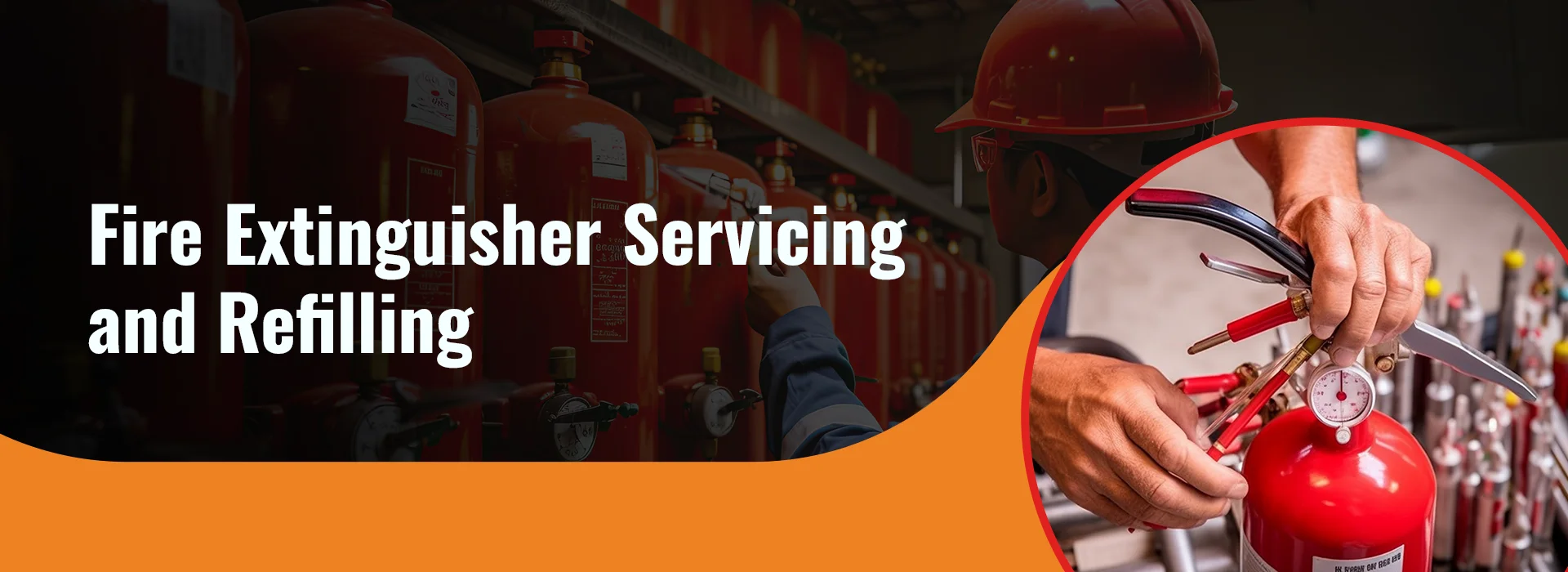
Fire Extinguisher Servicing and Refilling

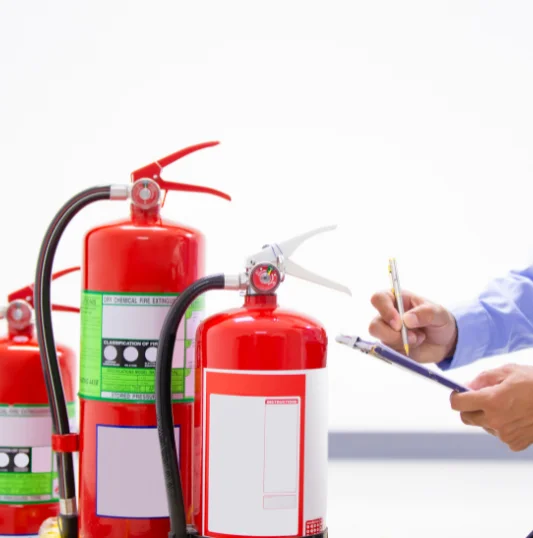
Every extinguisher must be inspected and refilled as per IS 2190 or it will fail when needed most. Our fire extinguisher maintenance service covers ABC, DCP, CO₂, Foam, and Clean Agent types, pressure-tested and compliance-ready.
0 M
Ready to protect
across various industries

Your First Line of Defense If It Works Correctly

Fire extinguishers stop a blaze in 60 seconds only if pressure is correct, the agent is right, and servicing is up-to-date.

Wrong Type Danger

Wrong extinguisher type risks electrocution, spreads flames, and turns a small fire into a major uncontrollable emergency.

Low Pressure Risk

Extinguishers lose pressure silently without regular inspection and testing; this hidden fault surfaces only in an emergency.

Mandatory by Law

IS 2190 mandates monthly checks and annual servicing. Non-compliance voids insurance and blocks Fire NOC renewals.

60-Second Action

Fire doubles every 60 seconds; a maintained, correct extinguisher deployed in the first minute stops escalation.

What Is a Fire Extinguisher Servicing and Refilling & How Does It Work?

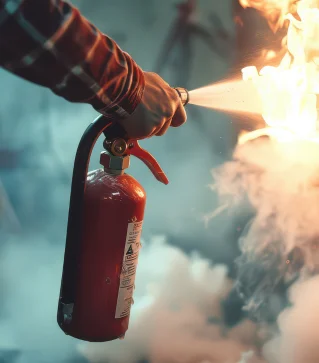
A fire extinguisher is a pressurized cylinder filled with a suppression agent. When activated, internal pressure drives the agent onto the fire, eliminating heat, fuel, or oxygen from the fire triangle to stop combustion before it spreads.

How It Works

Internal pressure forces agents out, smothering fire at its base.

In Safety Chain

Controls early fire before professional help is deployed.

Types of Fire Extinguishers We Service & Refill

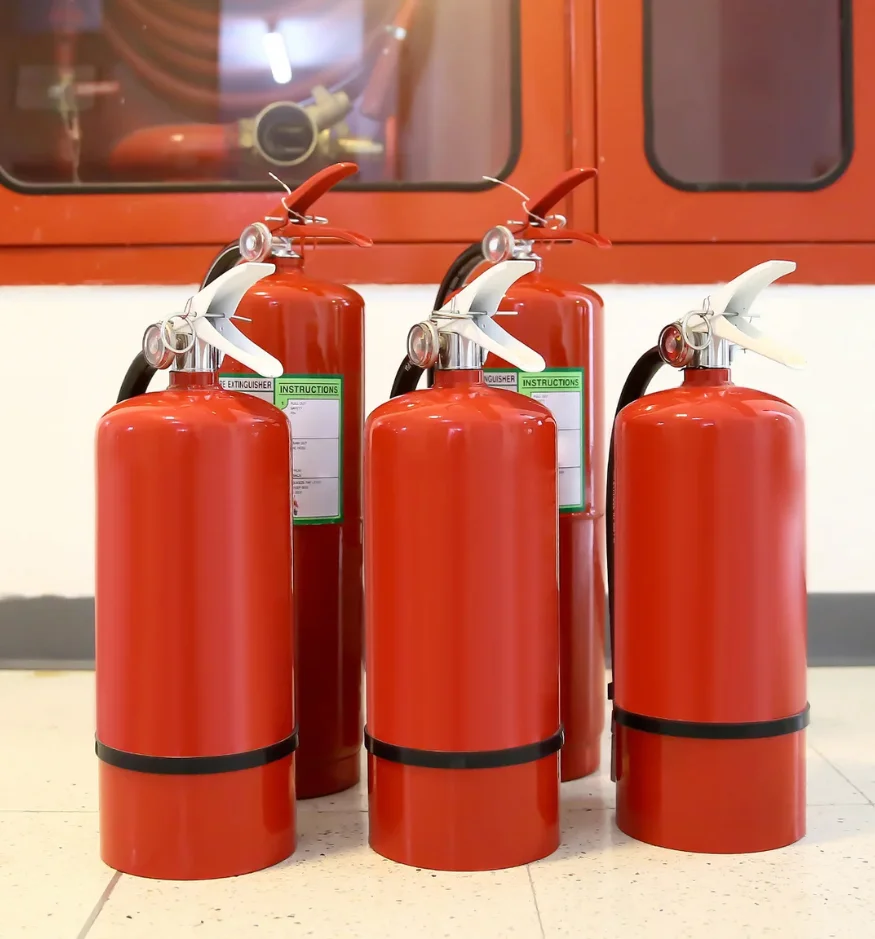
Each type targets a specific fire class. Our fire extinguisher maintenance service covers all six fully, IS 2190 compliant.

ABC Dry Powder

Multipurpose dry powder for Class A, B, C fires is the most widely used extinguisher type in offices, factories, and warehouses.

Carbon Dioxide

CO₂ displaces oxygen and leaves zero residue, ideal for server rooms, electrical panels, and sensitive equipment environments.

Foam AFFF Type

AFFF foam blankets burning liquids and cuts oxygen supply, suited for fuel storage, petrochemical, and industrial fire risks.

Water Type

Cools combustibles below ignition temperature Class A fires only. Never use electrical or flammable liquid as fire hazards.

Clean Agent Gas

FM200 and Novec suppress fire with zero residue and are non-conductive, ideal for data centers, telecom rooms, and archive spaces.
Wet Chemical

Sealing cooking oil fires with foam is mandatory for commercial kitchens, hotel kitchens, and food processing facilities.
Fire Classes & Correct Extinguisher Selection Guide

IS 2190 maps each fire class to its extinguisher. Class A (wood, paper) uses water or ABC; Class B (liquids) uses foam or CO₂; electrical needs CO₂ or a clean agent; Class K demands a wet chemical. Only ABC dry powder covers Class A, B, and C simultaneously.
Wrong type escalates fire water risks and electrocution; CO₂ splatters burning oil; foam triggers explosions on metals. Correct fire extinguisher inspection and testing confirms the right type is placed at every identified risk point.

Where Our Extinguisher Servicing Is Applied

Every NBC-mandated facility from offices to industrial campuses requires annual fire safety equipment servicing to stay compliant.
Industrial plants need Class B foam and DCP units; hospital equipment rooms require CO₂ or a clean agent for electronics; hotel kitchens mandate wet chemical units; and warehouses need ABC coverage across all floor levels, each as per IS 2190 and NBC Part 4.

01

Commercial Sites

Offices, IT parks, and malls require ABC and CO₂ units serviced quarterly with documented records for Fire NOC renewal and insurance compliance.

02

Industrial Units

Factories with flammable hazards need DCP and Clean Agent extinguisher refilling and recharge service on a mandatory cycle.

03

Healthcare Sites

Hospitals use CO₂ near ICUs; hotel kitchens use wet chemical. Both need certified servicing and documented inspection records.

04

Data Centers

CO₂ and Clean Agent protect server rooms with zero residue. Fire extinguisher inspection and testing safeguards all IT assets.

Our Fire Extinguisher Servicing and Refilling Process

Inspection, pressure test, agent refill, seal replacement, and IS 2190-compliant service tag completed on every unit.

Early Fire Detection

Smoke, heat and flame sensors detect fire at the earliest stage triggering instant alerts before flames spread across zones.

Instant Alert System

Once a threat is detected, the control panel activates audible and visual alarms alerting every occupant to evacuate safely.

Active Suppression

Suppression systems sprinklers, hydrants, extinguishers or gas agents control and extinguish fire before it can spread.

Regular AMC & Upkeep

Regular AMC and preventive maintenance keeps every fire protection system tested, calibrated and NBC compliant at all times.

Refilling, Servicing & Re-Commissioning Process

Structured extinguisher refilling and recharge service inspection, refilling, and recommissioning are fully IS 2190 compliant.

Inspect & Test

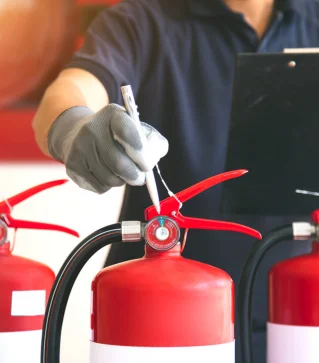
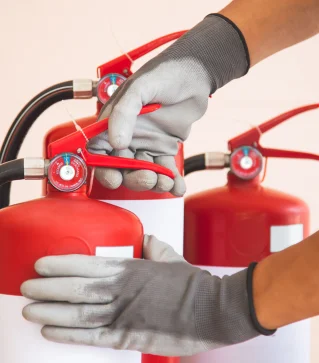
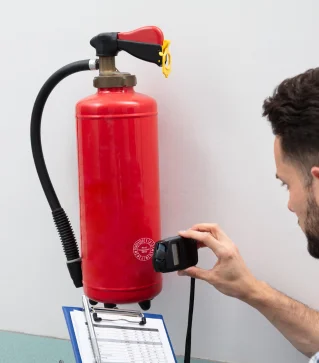
The cylinder, gauge, safety pin, hose, nozzle, and agent weight are physically checked and logged before any servicing begins.

Agent Refilling

After discharge and internal cleaning, the cylinder is refilled with the correct BIS-certified agent per IS 2190 specifications.

Back in Service

Re-pressurized, leak-tested, and sealed, a compliant service tag records the technician ID, refill date, and next service due.

Installation to System Integration Methodology

Mapped to the risk zone, mounted per IS 2190 norms, and linked to the facility’s fire protection system maintenance schedule.

01

Audit

We start with a certified fire safety audit assessing fire risks, NBC compliance gaps and Fire Hydrant System requirements.

02

Design

Our engineers prepare IS:3844 & NBC-compliant blueprints covering hydrant layout, pipe routing and pump house design.

03

Engineering

Our certified engineers handle hydraulic calculations, pump selection and Fire Hydrant System engineering as per NBC norms.

04

Supply

We supply IS-certified pipes, valves, hydrant boxes and ABC extinguisher supply from trusted fire safety products suppliers.

05

Installation

Our technicians install Fire Hydrant Systems precisely covering piping, pump house, hydrant points and system integration.

Standards, Codes & Compliance We Align With

Every servicing job aligns with the Indian standards governing audit readiness, insurance compliance, and Fire NOC validity.

IS 2190 Aligned

Mandates monthly visual checks, annual professional servicing, and periodic discharge testing for all portable extinguishers.

NBC 2016 Part 4

NBC Part 4 mandates correct placement, 15–30 m travel distance, and the right extinguisher type per fire hazard zone.

BIS Certified

All refill agents and parts used are BIS-certified, guaranteeing quality, safety, and full audit traceability per IS 2190.

NOC Ready Always

Our service records and compliance tags satisfy fire department inspections, NOC renewals, and surprise audits in all states.

Insurance Ready

Insurers require documented annual fire safety equipment servicing reports to serve as proof for claim admissibility.

Hydro Pressure

Periodic hydrostatic testing on CO₂ and stored-pressure units certifies cylinder integrity as per IS 2190 scheduled intervals.

AMC & Periodic Maintenance for Fire Extinguishers

AMC covers servicing, refilling, periodic inspections, compliance records, and renewal tracking under one annual agreement.

Scheduled Visits

Scheduled quarterly and half-yearly visits, pressure checks, agent reviews, and compliance logs are updated on every unit visit.

Breakdown Cover

Unserviceable extinguishers with pressure loss, pin failure, or seal damage are attended to on priority between scheduled AMC visits.

Service Logbook

A dedicated logbook per extinguisher captures visit dates, sign-off, refill dates, and next service due, always audit-ready.

Full Compliance

Annual service reports, refill certificates, and compliance summaries supporting Fire NOC renewal and insurance compliance.

Fire Safety Insights, Tips & Industry Updates

Explore expert insights, safety tips, and the latest updates from a fire safety and solutions provider to help you stay informed, compliant, and protected.

New India Fire Tech

Real feedback from clients who trust our fire safety solutions.

4.5k+

What Our Clients Say About Our Fire Safety Services

Industries, corporates, and institutions share their real experience with New India Fire Tech’s trusted fire safety services.

Join Our Trusted Fire Safety Clients Today

Hundreds of businesses trust us for certified fire safety. Let us protect your premises with the same proven expertise and reliability.

FAQs About Fire Extinguisher Servicing and Refilling

Fire extinguishers should be serviced at least once a year to ensure they remain in optimal working condition. Regular servicing helps identify any issues and ensures the extinguisher will function properly in an emergency.
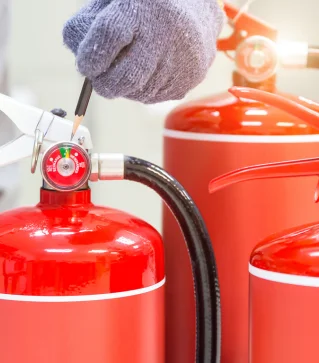
Fire extinguisher servicing involves a thorough inspection, checking the pressure levels, ensuring the nozzle and hose are clear, and performing pressure testing. It also includes refilling if necessary and ensuring the equipment is fully operational.
Your fire extinguisher needs refilling if the pressure gauge indicates low pressure, after it has been used, or if the safety pin is removed. Regular checks will ensure that the extinguisher is ready for use when needed.
No, fire extinguisher refilling should only be performed by certified professionals. Refilling requires specialized equipment and knowledge to ensure the extinguisher is properly charged and safe to use.
Fire extinguisher servicing is crucial for ensuring that your fire safety equipment will work effectively in the event of a fire. Proper servicing helps maintain the reliability of the extinguisher, reduces the risk of malfunction, and ensures safety compliance.

Contact With Our Safety Experts

Reach out to us anytime for support for free consultation.

    Scroll to Top