Table of Contents
Inntroduction
When it comes to protecting your workplace, your employees, and your assets from the unpredictable nature of fire hazards, choosing the right Fire Safety and Solutions Provider is one of the most important decisions a business owner can make. Fire incidents don’t announce themselves in advance, and the difference between a minor disruption and a catastrophic loss often comes down to how prepared a facility is before an emergency happens. Many businesses only start thinking seriously about fire protection after they’ve read about an incident in the news or, worse, experienced a close call themselves. If you’re exploring what a dependable fire protection solutions provider can actually offer, this guide walks you through everything you should expect, from risk assessment to ongoing compliance support.
Why Fire Safety Can't Be an Afterthought for Your Business
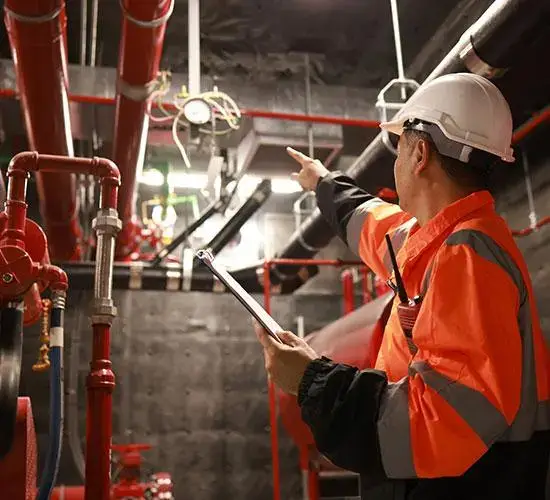
Fire safety is often treated as a regulatory checkbox rather than an operational priority, and that mindset tends to be expensive in the long run. A single fire incident can halt production, damage inventory, destroy critical documents, and in the worst cases, put lives at risk. Beyond the immediate physical damage, businesses also face legal liability, insurance complications, and reputational fallout if it’s found that fire safety norms weren’t followed. Commercial spaces, warehouses, manufacturing units, and even office buildings all carry some degree of fire risk depending on the materials stored, electrical load, and occupancy density. This is exactly why working with an experienced Fire Safety and Solutions Provider early on, rather than after an incident, makes such a measurable difference, since proactive planning consistently costs less than reactive damage control.
What Does a Fire Safety and Solutions Provider Actually Do?
A common misconception is that fire safety companies only sell extinguishers or install alarms. In reality, a genuine Fire Safety and Solutions Provider takes a far more holistic approach, covering everything from initial risk evaluation to long-term system upkeep. The scope typically includes identifying fire hazards specific to a building’s layout and usage, recommending and installing the right combination of detection and suppression equipment, training staff on emergency response, and ensuring the entire setup stays compliant with local fire codes over time. This kind of comprehensive support is relevant across a wide range of settings, manufacturing plants, commercial complexes, hospitals, educational institutions, warehouses, and residential societies all have different fire safety requirements, and a capable provider tailors its recommendations accordingly rather than offering a one-size-fits-all package.
Core Services to Expect from a Complete Fire Protection Provider
A well-rounded fire safety system provider doesn’t just sell you a product; they build a system around your specific building and risk profile. Understanding the breadth of services available helps you evaluate whether a Fire Safety and Solutions Provider, is truly equipped to protect your premises or just offering a narrow slice of what’s actually needed.
Detection, Alarm & Suppression Systems
At the core of any fire protection setup are the systems designed to catch a fire in its earliest stage and contain it before it spreads. This includes smoke and heat detectors, fire alarm panels that can alert an entire facility within seconds, and suppression systems such as sprinklers, gas-based systems for sensitive equipment areas, and foam-based systems for specific industrial risks. A reliable industrial fire protection services provider will assess the layout of your facility to determine which combination of these systems makes sense, since a server room and a chemical storage unit, for instance, require entirely different suppression approaches.
Extinguishers, Emergency Lighting, Training & AMC Support
Beyond the larger systems, day-to-day readiness depends on smaller but equally critical elements. Portable fire extinguishers need to be the right type and capacity for the specific fire risks in each zone, and they need regular refilling and inspection to stay functional. Emergency lighting and clearly marked signage matter just as much during a power outage or evacuation, when visibility can be the difference between a safe exit and chaos. Equally important is staff training,even the best equipment is only as effective as the people who know how to use it, which is why fire drills and hands-on training sessions should be a standard offering. Most established providers also offer Annual Maintenance Contracts (AMC) that keep every component inspected, serviced, and compliant without requiring the business to track renewal dates manually.
How to Evaluate a Fire Safety Provider Before You Choose One
With so many vendors in the market, distinguishing a genuinely capable fire safety equipment supplier from one that simply sells hardware requires asking the right questions upfront. A trustworthy Fire Safety and Solutions Provider will always start with a proper site assessment rather than jumping straight to a sales pitch.
Certifications & Compliance to Check
Before signing any contract, it’s worth verifying that the provider’s equipment and installation practices align with recognized fire safety standards and local municipal regulations. Certified equipment, trained technicians, and documented compliance records aren’t just formalities, they protect your business during insurance claims and regulatory inspections, and they indicate that the provider takes long-term accountability seriously rather than just closing a sale.
Questions to Ask & Red Flags to Avoid
A trustworthy provider should be able to clearly explain why they’re recommending a particular system for your space, rather than pushing a generic package. It’s reasonable to ask about response times for servicing, how often inspections are conducted, and what happens if equipment fails during an emergency. Vague answers, reluctance to share certifications, or pressure to commit without a proper site assessment are all signs worth taking seriously before moving forward.
Industry Standards and Regulations Governing Fire Protection
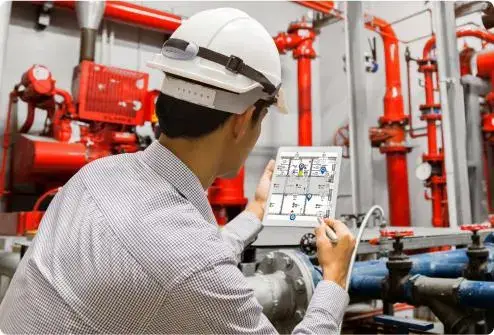
Fire safety in India is governed by a combination of National Building Code (NBC) guidelines, state-specific fire service regulations, and, for certain industries, standards aligned with NFPA (National Fire Protection Association) practices. These codes cover everything from the minimum number of fire extinguishers required per floor area to exit width requirements and fire-resistant material usage in construction. Compliance isn’t just about avoiding penalties during an inspection,it reflects whether a building has actually been designed and equipped to protect the people inside it during a real emergency. A knowledgeable complete fire safety solutions partner stays updated with these evolving regulations and ensures that every recommendation they make keeps your facility audit-ready, not just superficially compliant.
What Sets a Trusted Fire Safety Partner Apart
Not every vendor offering complete fire safety solutions delivers the same level of reliability, and the difference usually becomes apparent only when it matters most, during an actual emergency or a critical compliance audit.
Experience & Industry Reach
Providers that have worked across multiple sectors, industrial, commercial, residential, and institutional, tend to bring a deeper understanding of how fire risks vary by environment. This kind of cross-industry experience often translates into more accurate risk assessments and recommendations that are grounded in practical, real-world scenarios rather than generic templates.
Response Time, Support & Real Client Example
Ongoing support matters just as much as the initial installation. A facility that experiences a system malfunction needs a provider who can respond quickly, not one that takes days to send a technician. Many established Fire Safety and Solutions Provider companies work with manufacturing units and commercial complexes on long-term AMC arrangements, where routine servicing, equipment upgrades, and emergency support are all bundled into a single ongoing relationship, giving facility managers one less thing to worry about.
Conclusion
Fire safety isn’t something that can be handled with a one-time purchase or a single inspection, it requires an ongoing partnership with a provider who understands your building, your industry, and the specific risks you face. From detection and suppression systems to staff training and long-term compliance support, a genuinely reliable Fire Safety and Solutions Provider, covers every layer of protection rather than just the basics. If you’re looking to build a fire safety plan that actually holds up when it matters, NewIndiaFireTech offers complete, tailored fire protection solutions designed around your facility’s real needs, reach out to get a proper risk assessment done before you need one.