Types of Fire Extinguishers and Where to Use Them

Table of Contents

Introduction

Every year, thousands of small fires turn into major disasters simply because the wrong equipment was used at the wrong moment. A grease fire doused with water can explode into flames within seconds, and an electrical fire treated with the wrong agent can put someone at serious risk of electrocution. This is exactly why understanding fire safety basics matters for every homeowner, office manager, and business operator alike. If you have ever wondered which fire extinguisher belongs in your kitchen, garage, or server room, this guide walks you through everything in plain, practical language, no technical jargon, just what you need to know to stay safe.

Fire Extinguisher

Understanding Fire Classes: The Foundation of Fire Safety

Before choosing the right fire suppression tool, it helps to understand that not all fires behave the same way. Fires are grouped into classes based on the fuel that feeds them, and this classification directly determines which extinguishing agent will work safely.

  • Class A covers ordinary combustibles like wood, paper, cardboard, and cloth.
  • Class B involves flammable liquids such as petrol, oil, and paint thinners.
  • Class C relates to fires fed by flammable gases like propane or butane.
  • Class D covers combustible metals such as magnesium or titanium, common in industrial settings.
  • Class K (or F) is specific to cooking oils and fats, frequently seen in commercial kitchens.

Knowing these categories isn’t just theory; it’s the difference between controlling a small flare-up and watching it spiral out of control. Fire safety professionals rely on this classification system worldwide, which is why it forms the backbone of any credible fire prevention plan.

Types of Fire Extinguishers Explained

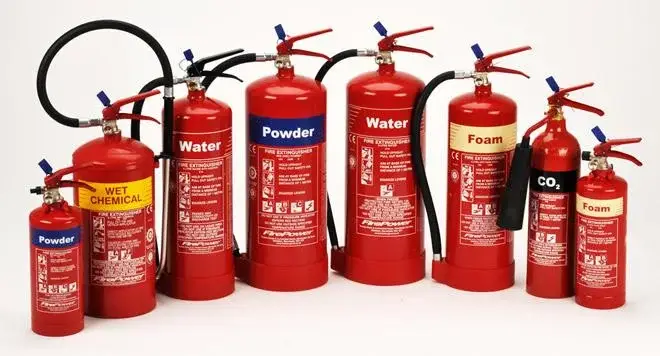
Once you understand fire classes, the next step is matching them with the correct type of extinguishing agent. Each variant is engineered for specific fuel sources, and mismatching them can do more harm than good.
Fire Extinguisher

Water Extinguishers

Water-based units are among the most common and are best suited for Class A fires involving paper, wood, or textiles. They work by cooling the burning material below its ignition temperature. However, they should never be used on electrical fires or burning oils, since water conducts electricity and can cause grease fires to spread violently.

Foam Extinguishers

Foam models are versatile and effective against both Class A and Class B fires. The foam creates a blanket over the burning liquid, cutting off its oxygen supply while also cooling the surface. This makes them popular in warehouses, garages, and industrial facilities where flammable liquids are stored.

Dry Powder (ABC) Extinguishers

Dry powder units, often labeled ABC extinguishers, are among the most versatile fire safety equipment available because they tackle Class A, B, and C fires simultaneously. The powder interrupts the chemical reaction driving combustion. That said, they can create a mess and reduce visibility indoors, so they’re often preferred for vehicles, workshops, and outdoor use.

CO2 Extinguishers

Carbon dioxide extinguishers displace oxygen around the fire, making them ideal for electrical fires and situations involving sensitive equipment like computers or lab instruments. Since CO2 leaves no residue, it’s a favorite choice for server rooms, data centers, and offices full of delicate machinery.

Wet Chemical Extinguishers

Designed specifically for Class K fires, wet chemical units are a staple in commercial kitchens. They react with cooking oils to form a soapy layer that seals the surface and prevents re-ignition, something standard fire suppression agents simply cannot achieve as effectively with cooking fat fires.

Clean Agent Extinguishers

Clean agent (or halon-alternative) models use gaseous compounds that leave zero residue, making them suitable for museums, archives, and rooms filled with valuable electronics where cleanup after a fire could cause its own damage.

Where to Use Each Type of Fire Extinguisher

Choosing the correct extinguisher isn’t just about fire class it’s also about matching the equipment to the environment where a hazard is most likely to occur.

Kitchens and Restaurants

Commercial kitchens should always keep a wet chemical unit within reach near cooking stations, since grease and oil fires are the most common hazard there. Home kitchens can benefit from a smaller multipurpose unit as a backup.

Offices and Commercial Spaces

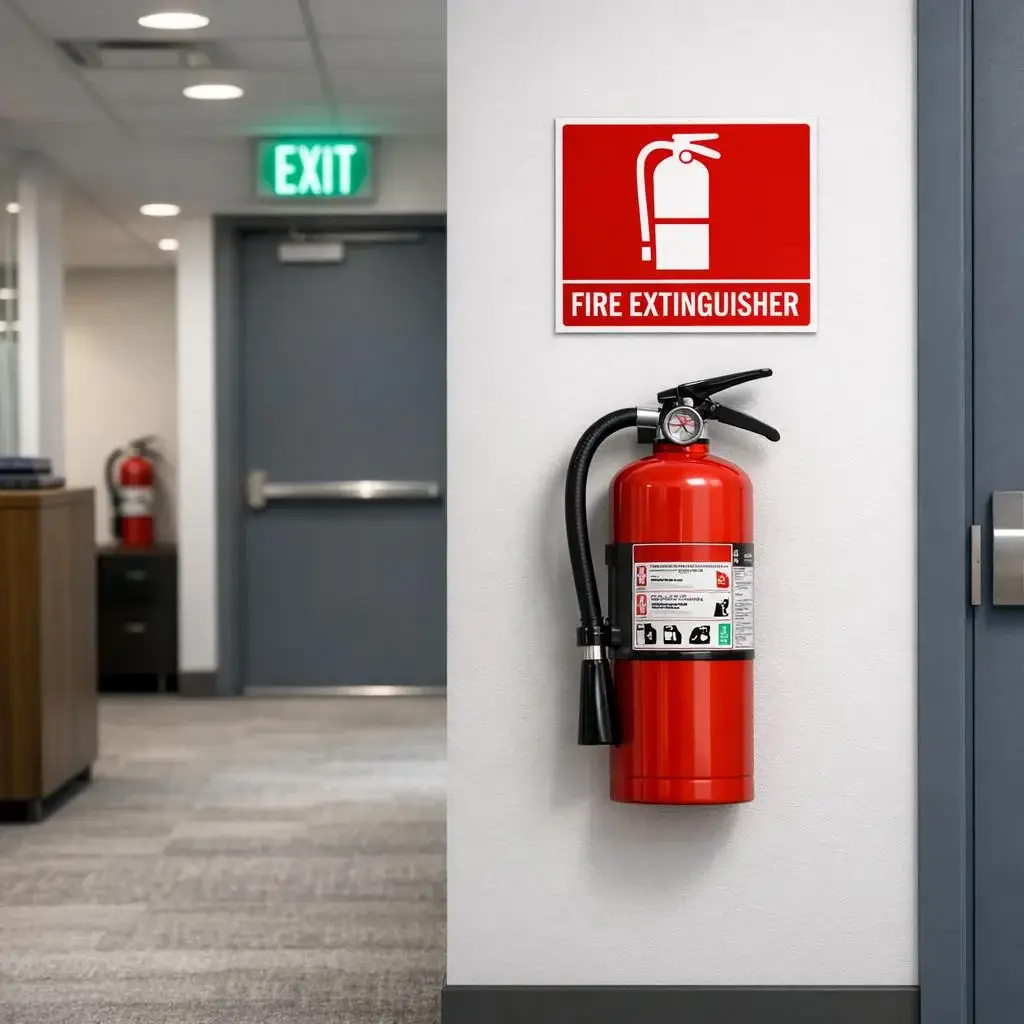
Offices typically face a mix of paper-based Class A risks and electrical Class C risks from wiring and equipment. A combination of CO2 and dry powder extinguishers placed near exits and electrical panels offers balanced protection.

Garages and Workshops

Garages often store flammable liquids like petrol, oil, and solvents, making foam or dry powder units the safer bet. These spaces also tend to have higher fire hazard levels due to sparks from tools and machinery.

Electrical and Server Rooms

Sensitive electronics demand CO2 or clean agent extinguishers that won’t damage hardware or leave conductive residue behind. This is a critical consideration for IT departments and facilities managing valuable data infrastructure.

Homes

For residential use, a general-purpose ABC dry powder extinguisher covers most household risks, while an additional small unit near the kitchen adds an extra layer of protection against cooking-related incidents.

How to Identify Fire Extinguishers by Color Code

Manufacturers use standardized color bands to help people quickly identify the agent inside without reading the full label. Red typically signals water, cream indicates foam, blue points to dry powder, black is reserved for CO2, and yellow marks wet chemical units. Recognizing these color codes at a glance can save precious seconds during an emergency, which is why many workplaces train staff on this simple visual system as part of routine fire drills.

How to Use a Fire Extinguisher: The PASS Technique

Fire Extinguisher

Even the right equipment is only useful if people know how to operate it under pressure. Fire safety trainers around the world teach a simple four-step method known as PASS:

  • Pull the safety pin to unlock the trigger mechanism.
  • Aim the nozzle low, directly at the base of the flames.
  • Squeeze the handle slowly and steadily to release the agent.
  • Sweep the nozzle side to side until the fire is fully extinguished.

Practicing this sequence during a fire drill builds the muscle memory needed to react calmly rather than freeze up when a real hazard appears.

Common Mistakes to Avoid When Choosing or Using Fire Extinguishers

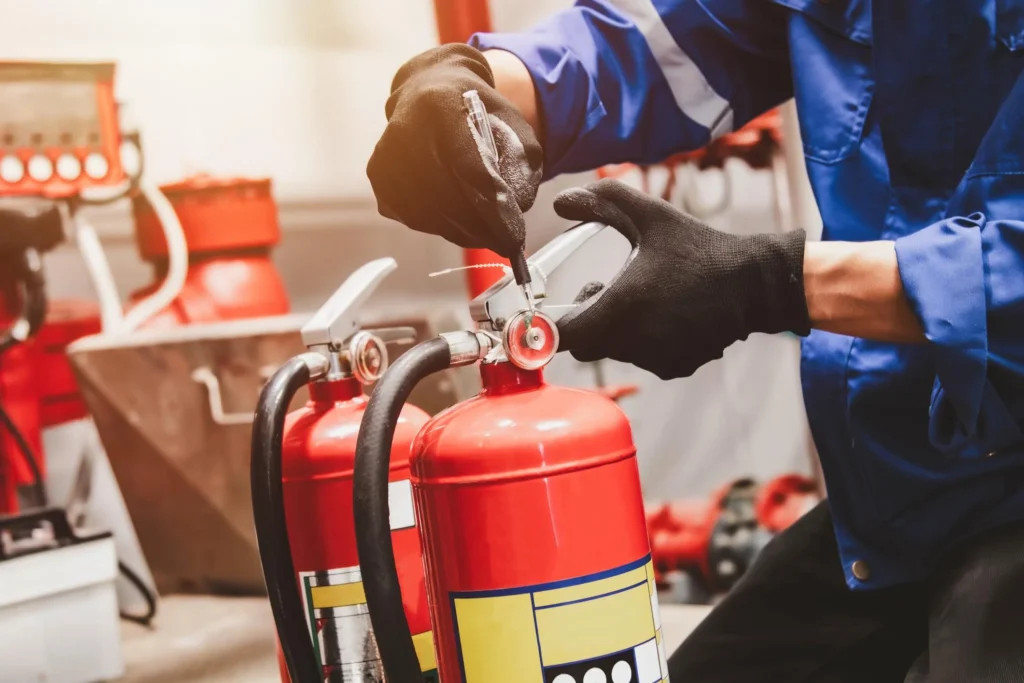
Many households and small businesses make avoidable errors that reduce their fire preparedness. Choosing a unit without checking its fire class rating is one of the most frequent mistakes, since a device rated only for Class A will do little against a grease or electrical fire. Ignoring the expiry date printed on the pressure gauge is another common oversight, as older units may fail to discharge properly when needed most. Skipping regular maintenance checks is equally risky, because a corroded valve or low-pressure gauge can render even a good fire extinguisher useless in an actual emergency.

Fire Extinguisher Maintenance and Inspection Best Practices

Owning the right equipment is only half the job keeping it functional matters just as much. Monthly visual inspections should confirm that the pressure gauge sits within the recommended range and that the pin and tamper seal remain intact. Professional servicing is generally recommended annually, or more frequently for units in high-risk commercial environments. Watching for signs like rust, dents, or a stuck nozzle helps catch problems before they become dangerous, and replacing any unit past its rated lifespan is a small investment compared to the cost of an uncontrolled fire.

Conclusion

Choosing between the many types of fire extinguishers doesn’t have to be confusing once you understand what each one is designed to do and where it fits best. Whether you’re securing a home, a restaurant kitchen, or a full industrial facility, matching the right fire extinguishers to the correct fire class is the single most important safety decision you can make.

If you’d rather not guess, New India Fire Tech can help you assess your space, recommend the correct extinguisher types, and handle installation, inspection, and servicing so you’re always prepared. Reach out to New India Fire Tech today to get expert guidance and keep your home or business genuinely fire-ready.
Leave a Comment

Your email address will not be published. Required fields are marked *

Scroll to Top