Table of Contents
Introduction
Fire incidents in Indian factories, warehouses, and office spaces are no longer rare headlines. They’re becoming an uncomfortably common pattern, honestly. That’s exactly why fire safety companies in India are seeing a real surge in demand these days, business owners are finally waking up to a risk they used to brush aside. If you’re searching for a reliable fire safety company in India, or just trying to understand what these companies do before signing anything, you’re in the right spot. You can browse our full range of fire protection systems, while you read, this guide breaks down services, equipment, and the right questions to ask before hiring anyone.
What Do Fire Safety Companies in India Actually Do?
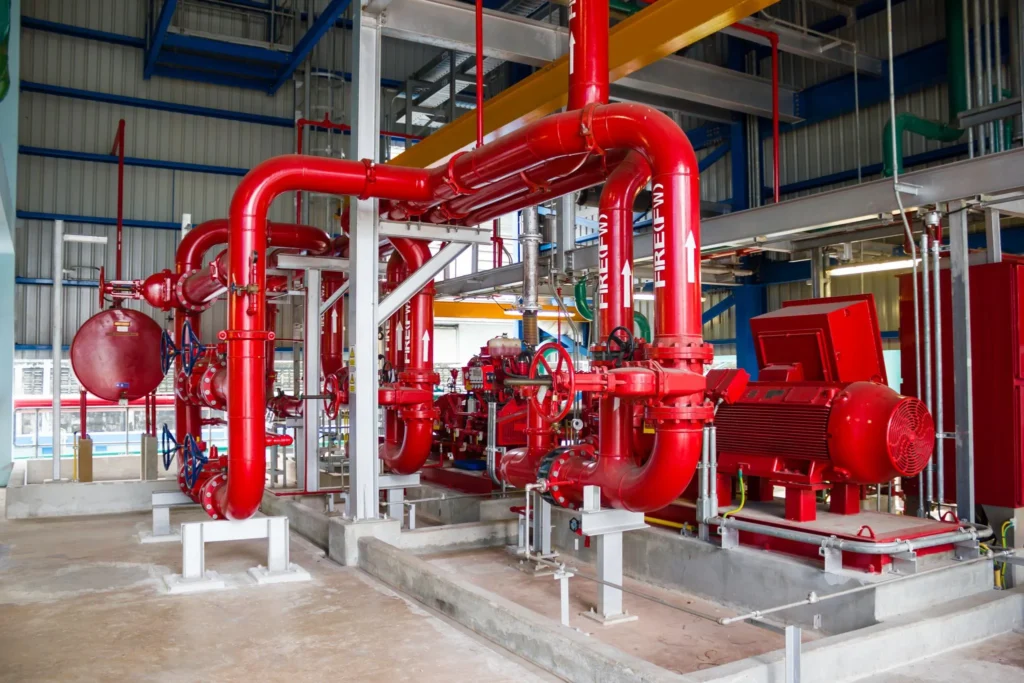
Ask ten people what fire safety companies actually do, and nine will probably say they sell extinguishers. Fair guess, but incomplete. The real work of a fire and safety company today is closer to risk engineering: assessing a site, spotting the weak points, then building a layered system of prevention, detection, and response around it.
Beyond installation, most fire safety solutions providers also handle staff training, compliance paperwork, and ongoing maintenance. It’s less one-time selling, more a long relationship, the kind where they end up knowing your building better than half your own staff does.
A good fire safety equipment company won’t just drop off extinguishers and vanish. They’ll walk the site, flag the gaps, and tell you uncomfortable truths, like that blocked exit route stacked with inventory boxes. It’s consulting as much as it is installation work, and the best ones treat it that way.Core Services Offered by Fire Safety Companies in India
Fire Risk Assessment & Audits
This is where everything starts. An auditor walks the premises, checks electrical load, flammable storage, exit widths, and existing equipment condition, then hands you a fire risk assessment report with a risk score and a list of fixes. Some fixes are urgent. Others can wait a quarter or two.
Honestly, this step gets skipped a lot by smaller businesses trying to save money. Bad idea, skipping the audit is a bit like skipping a doctor’s checkup and just hoping nothing’s wrong.Installation of Fire Detection & Suppression Systems
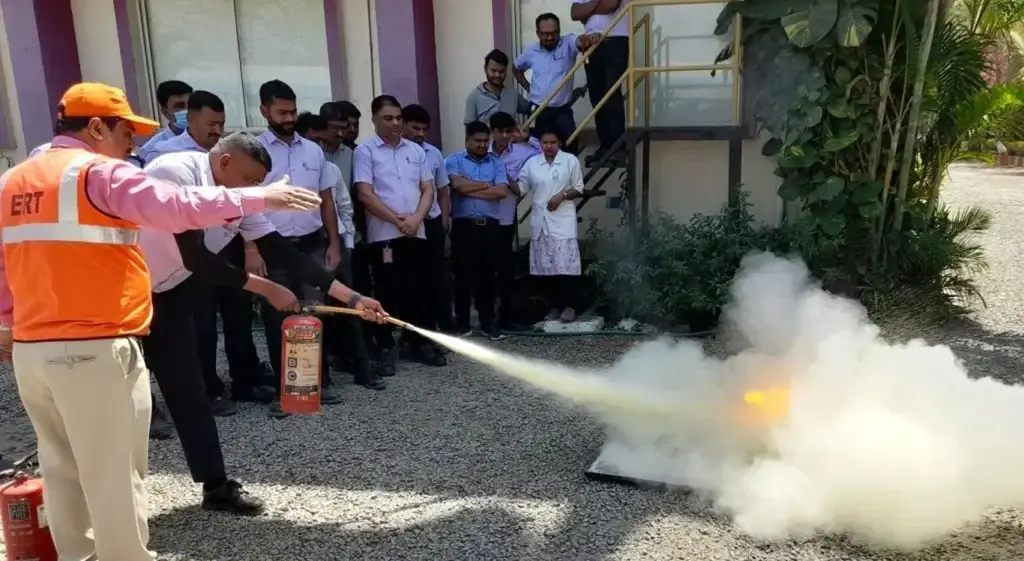
Fire Safety Training & Mock Drills
AMC (Annual Maintenance Contracts) & Compliance Support
Fire Safety Equipment Offered by Leading Fire Safety Companies
Fire Extinguishers – Types and Uses
Fire Alarm & Detection Systems
Sprinkler & Suppression Systems
Personal Protective Equipment (PPE)
Why Businesses Need a Certified Fire Protection Company in India
Here’s the part nobody tells you upfront, fire safety isn’t optional paperwork, it’s law. The National Building Code (NBC) 2016 lays out fire protection requirements for different building types, and most states require a Fire NOC before you can even begin operating.
Without that NOC, you’re looking at penalties, forced shutdowns, or worse, a denied insurance claim right when you need it most. Insurance companies in India often check your fire compliance status before settling claims after an incident, no compliance, no payout, it’s as simple as that.
Working with established fire safety companies that carry TAC-approved equipment and proper documentation means your paperwork holds up during inspections. It’s the difference between a vendor who just sells you a box of extinguishers, and a partner who makes sure your business survives an audit, an inspection, and an actual emergency.How to Choose the Best Fire Safety Company in India
Certifications & Licenses to Check
Experience Across Industries
Response Time & After-Sales Support
Industries That Rely on Fire Safety Companies
Some sectors just carry more fire risk by nature, and the fire safety companies serving them tend to take the job a lot more seriously, for fairly obvious reasons. Manufacturing units and factories deal with flammable raw material, heavy machinery, and heavy electrical load all at once, it’s a lot to manage simultaneously. IT parks and corporate offices carry dense occupancy and server rooms, where fast evacuation planning matters just as much as suppression systems do.
Hospitality businesses, hotels and restaurants especially, deal with live kitchens, guest safety, and high footfall, making this a genuinely non-negotiable area for them. Hospitals and healthcare facilities face a tougher challenge still, patients can’t evacuate quickly, so containment becomes more critical than prevention alone. Warehouses and logistics hubs, with their large open spaces and stacked inventory, see fires spread fast and spread quiet, often before anyone even notices. And residential societies, high-rises especially, get overlooked more than they should, crowded buildings with limited exits need this protection just as much as any factory floor does.Conclusion
Fire safety isn’t something you think about, until the day you really have to, and by then it’s usually too late to start researching. The businesses that get it right treat fire safety companies as long-term partners, not one-time vendors, someone who shows up for the audit, the install, the drill, and the occasional 2 AM emergency call too.
If you’re just starting to explore your options, take it slow. Ask the right questions, check the certifications, and don’t settle for the first quote that lands in your inbox. For businesses looking for a trusted, certified fire safety company in India, New India Fire Tech offers end-to-end fire protection systems, from risk assessment to AMC support. Reach out today, your building, your people, and your peace of mind are worth getting this right.